


-

Add: HeBei ShengShi HongBang Cellulose Technology CO.,LTD.
-

Email
13180486930@163.com -

CONTACT US
+86 13180486930




When we think of wood, we often focus on its structural properties, such as strength and durability. But did you know that much of that strength comes from its composition, specifically cellulose? Cellulose made from wood is the key material that allows wood to hold its form and function effectively in countless applications. Understanding its components— cellulose , hemicellulose , and lignin —helps to explain the unique properties of wood that make it an essential resource for industries ranging from construction to manufacturing. Fibre Made from Wood Pulp Wood pulp, a primary source of cellulose , is the base material used in the production of many everyday products, including paper, textiles, and construction materials. Fibre made from wood pulp is rich in cellulose, which is extracted from the wood through various chemical and mechanical processes. This fibre, once processed, has diverse applications in industries such as packaging, paper-making, and even the production of insulation materials for buildings. The purity and strength of cellulose from wood make it a critical material in the manufacturing of fibreboard, composite wood panels, and other building materials used in construction. Wood pulp fibre is processed using various methods, including chemical pulping or mechanical grinding. This process removes the non-cellulose components of wood, such as lignin and hemicellulose, which are less useful in certain applications. The resulting cellulose fibres can be refined and used to create products with enhanced durability, ideal for use in the construction industry. The strength, stability, and biodegradability of wood pulp fibres make them an environmentally sustainable choice for manufacturers looking for natural materials in their production processes. Cellulose, Hemicellulose, and Lignin in Wood Wood is composed of three main components: cellulose , hemicellulose , and lignin . Understanding these components is key to unlocking the potential of wood in construction and manufacturing. Cellulose is the most abundant organic polymer in nature, providing strength and rigidity to the cell walls of plants. It is the primary component used in the creation of fibre and pulp for products such as paper and insulation. Hemicellulose is another important polysaccharide found in wood. It acts as a binding agent that holds cellulose fibres together. Although it’s not as structurally strong as cellulose, it plays a critical role in the overall integrity of the wood. In construction, hemicellulose can be broken down and processed to create biofuels or other valuable materials. Lignin , on the other hand, is a complex polymer that gives wood its hardness and resistance to decay. It acts like glue that holds the cellulose fibres together, giving the wood its rigidity and strength. In the construction industry, lignin is valuable for its ability to withstand weathering and physical wear, making it an essential component of high-quality timber. Together, these three components— cellulose , hemicellulose , and lignin —create the natural strength and versatility that makes wood such an important material for a variety of applications. Cellulose Wood Putty Another interesting application of cellulose from wood is in the production of cellulose wood putty . This product, used in construction and home improvement, is a type of filler used to repair and smooth wood surfaces. Cellulose wood putty is made by processing cellulose into a fine, putty-like consistency that can fill in cracks, holes, and imperfections in wooden structures. Its primary advantage is its ability to bond well with wood, providing a seamless repair that blends naturally with the surrounding material. Unlike traditional putties, which may rely on synthetic polymers or resins, cellulose wood putty is made from natural materials, making it an eco-friendly choice for homeowners and builders alike. It is particularly useful in restoring old furniture, wooden floors, or construction beams, where maintaining the wood’s natural appearance and texture is essential. The cellulose wood putty hardens over time, creating a durable and long-lasting repair. The versatility of cellulose in various forms, from raw pulp to putty, showcases the remarkable adaptability of this material in the construction and woodworking industries. The Versatility of Cellulose in Construction The uses of cellulose made from wood extend far beyond just fibre and putty. In the construction industry, cellulose is increasingly being used in the creation of sustainable building materials. From insulation to composite boards, cellulose is known for its insulating properties, helping to reduce energy consumption in buildings. Cellulose insulation is a popular choice for eco-conscious builders, as it is made from recycled paper products and wood fibres, offering a natural alternative to foam or fiberglass insulation. Additionally, the growing trend of sustainable construction has led to the development of cellulose-based biocomposites , which combine cellulose with other materials like bioplastics to create eco-friendly alternatives to traditional building materials. These materials are not only strong but also lightweight, reducing the overall energy footprint of construction projects. Applications of Cellulose in the Modern Building Industry In the modern building industry, cellulose from wood plays a significant role in improving the sustainability and performance of construction materials. From providing insulation to enhancing the structural integrity of wooden beams and panels, cellulose has a wide range of applications in both residential and commercial construction. Wood-based cellulose products offer an environmentally responsible alternative to petroleum-based materials, helping to reduce the environmental impact of construction projects. Builders and architects are increasingly incorporating cellulose wood putty , wood pulp fibre , and other cellulose-based products into their designs. The material’s renewable nature, biodegradability, and strength make it ideal for use in everything from floors and walls to roofs and insulation. As the demand for sustainable construction grows, the use of cellulose made from wood will continue to expand, offering innovative solutions that benefit both builders and the environment. Cellulose FAQs What is cellulose made of in wood? Cellulose is a natural polymer made of long chains of glucose molecules. It is the primary structural component of plant cell walls and is responsible for the rigidity and strength of wood. How is cellulose used in the construction industry? In construction, cellulose is used in insulation, composite materials, and cellulose wood putty . It helps improve the sustainability and energy efficiency of buildings by providing natural insulation and repair materials. What is cellulose wood putty? Cellulose wood putty is a natural, eco-friendly filler made from cellulose . It is used to fill holes, cracks, and imperfections in wooden surfaces, providing a seamless and durable repair. Can cellulose be used for insulation? Yes, cellulose is commonly used as an insulation material in homes and commercial buildings. It is made from recycled paper and wood fibres, offering a sustainable and effective alternative to synthetic insulation. Why is cellulose considered eco-friendly? Cellulose is a renewable resource that comes from wood and plants. It is biodegradable, making it an environmentally friendly option for a variety of products, including construction materials, insulation, and putties. Invest in high-quality cellulose wood products today for sustainable building solutions that offer strength, durability, and eco-friendly benefits. Visit our website to explore our wide range of cellulose-based materials, from cellulose wood putty to wood pulp fibre , and discover how they can enhance your next project.
- 40000tons

Production
- 20+years

Experience
- 5000+㎡

Acreage

-
Exploring the Intricacies of Hydroxyethyl Starch (HES) A Critical Product Insight Hydroxyethyl starch (HES) is a synthetic derivative of amylopectin, a polysaccharide that has carved a niche for itself in the medical field as a plasma volume expander. The significance of HES lies in its ability to mimic the colloidal properties of human plasma, rendering it instrumental during surgeries and in managing cases of hypovolemia, where blood volume is critically low. This article delves into the complexities of HES, offering an experience-driven, expert, and authoritative narrative that is both informative and trustworthy. In medical practice, the utility of HES is multifaceted. Its primary function is to stabilize patients undergoing major blood loss by maintaining hemodynamic parameters. Over the years, various formulations of HES have been developed, each differing in molecular weight and degree of molar substitution, influencing both their efficacy and safety profiles. The unique behavior of HES in the human body depends heavily on these characteristics, which are crucial for appropriate clinical applications. From a clinical perspective, the choice of using HES over other volume expanders depends on several factors. Experience from various case studies indicates that HES is favored in scenarios where rapid plasma volume expansion is necessary. Its ability to prolong intravascular retention without causing a rapid shift of fluids into the extravascular space is one of its most valued traits. Experts emphasize the importance of understanding the pharmacokinetics of HES, highlighting that products like HES 130/0.4 are optimized for their balance between effectivity and safety. hes hydroxyethyl starch Expertise in the administration of HES is vital. With growing concerns regarding the safety of synthetic colloids, it becomes essential to ensure accurate dosing based on the patient's physiological status and the severity of hypovolemia. Recent research supports cautious use, advocating for monitoring kidney function due to potential nephrotoxic effects especially in critically ill patients. This aligns with findings from several controlled studies revealing that HES can impact renal outcomes dependent on product type and patient status, reinforcing the need for careful patient selection. The regulatory landscape surrounding HES underscores the importance of authoritative guidance. Regulatory bodies like the U.S. FDA and the European Medicines Agency have issued guidelines and warnings regarding its use, primarily aimed at restricting it to situations where benefits outweigh risks. These organizations stress the necessity for healthcare providers to exercise clinical judgment, backed by authoritative recommendations, ensuring that the use of HES aligns with current safety standards. Trustworthiness in HES usage also translates to transparency in patient communication. Ensuring patients are aware of the potential risks and benefits associated with HES formulations is critical. Informed consent becomes more than a formality; it is a cornerstone of patient care that fosters trust and compliance. This integrative approach not only supports patient autonomy but also facilitates better clinical outcomes by aligning patient expectations with therapeutic goals. In conclusion, hydroxyethyl starch remains a significant tool in the arsenal of volume expanders within medical settings . While its usage requires a delicate balance of experience, expertise, and cautious regulation adherence, its benefits—when deployed appropriately—are irrefutable. Ongoing research and evolving guidelines will continue to shape the landscape of HES application, reaffirming the need for a thorough understanding of its nuances by healthcare professionals. This ensures not only optimal patient outcomes but also fortifies the standing of HES as a trusted and reliable medical product in managing plasma volume deficits.
-
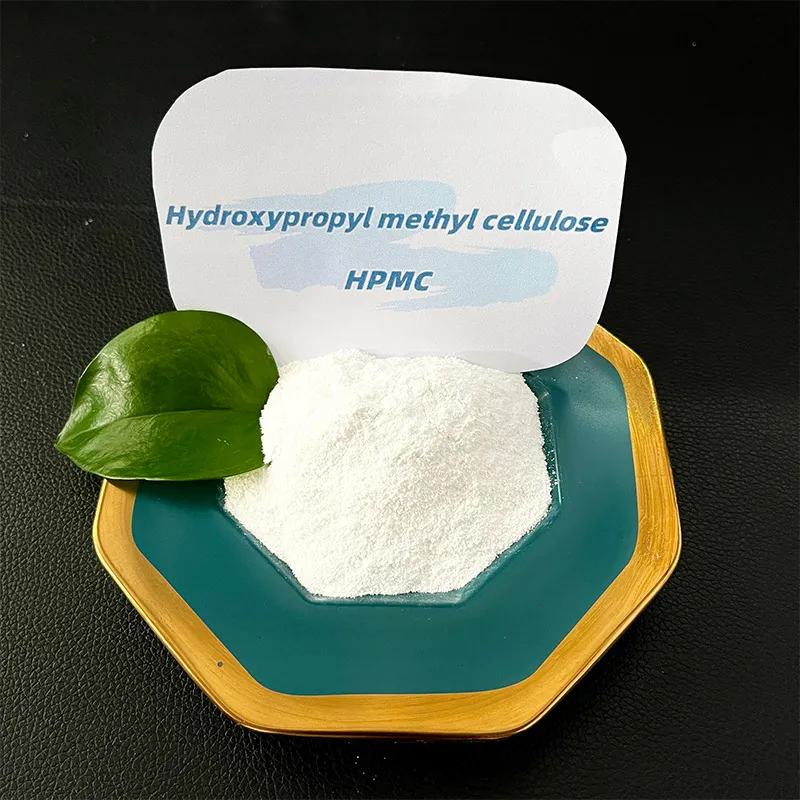
Hydroxypropyl Methylcellulose (HPMC) stands as an innovative polymer solution , lauded for its multifaceted applications across various industries. This versatile compound, classified under nonionic cellulose ethers, has emerged as a pivotal player in enhancing the functionality and performance of a plethora of products, from construction materials to pharmaceuticals, and even food and personal care items. Real-world applications of HPMC are a testament to its exceptional qualities. In the construction industry, it is integral in improving the properties of materials such as cement and gypsum. Contractors and engineers often highlight their personal experiences using HPMC as a reliable additive. Its functions in enhancing water retention, workability, and open time are well-documented, contributing to more efficient building processes and superior quality finishes. HPMC's ability to improve the texture and adhesion of construction components exemplifies its indispensable role in modern construction practices. From a professional standpoint, the pharmaceutical industry champions HPMC as a critical component in formulating controlled-release medications. Its non-toxic and biocompatible nature ensures safety and efficacy, forming an essential part of many oral and topical pharmaceuticals. Pharmacists and drug manufacturers praise HPMC for its ability to control the release profile of active ingredients, improving therapeutic outcomes and patient adherence. Additionally, its role in creating clear, stable suspensions in liquid medications underpins its professional endorsement. The authority of HPMC extends into the food industry, where it acts as a thickener, stabilizer, and emulsifier. Food scientists regularly emphasize its importance in maintaining the texture and consistency of processed foods. HPMC's heat-resistant properties make it ideal for improving food viscosity without altering taste or nutritional content, earning the trust of chefs and culinary professionals alike. Its use in gluten-free baking to enhance dough elasticity and maintain moisture serves as a perfect example of its authoritative position in food science. hydroxypropyl methylcellulose Trust in HPMC is further anchored by its regulatory approvals from agencies like the FDA and the EFSA. These endorsements underscore its safety and applicability in consumer products, fostering confidence among manufacturers and consumers. The transparency in its sourcing and manufacturing processes ensures that HPMC meets stringent quality standards, thus reinforcing its reliability and integrity. Beyond its technical benefits, HPMC is revered for its environmental friendliness. Professionals across various sectors increasingly acknowledge its sustainable production, which aligns with global movements towards greener manufacturing practices. Its biodegradability and derivation from natural cellulose enhance its appeal as an eco-conscious alternative to synthetic additives, further cementing HPMC as a preferred choice among environmentally aware businesses. The future potential of HPMC continues to expand as research and innovation unveil new possibilities and applications. Industries constantly seek improved formulations, and HPMC's adaptability to new demands speaks to its enduring relevance. As experts delve deeper into unlocking its untapped capabilities, it's clear that HPMC will remain a staple across multiple domains, continually shaping and enhancing industry standards. In conclusion, Hydroxypropyl Methylcellulose is more than just a versatile polymer; it's a cornerstone of contemporary product development and innovation. Its application breadth, coupled with authoritative endorsements and a robust track record of trust, makes HPMC a vital component in advancing industry practices and consumer products. As industries evolve, professionals and consumers alike can rely on HPMC to deliver quality, performance, and sustainability.
advantages
-

200000 Viscosities
Excellent product
We can produce pure products up to 200,000 viscosities
-

40000 tons
High yield
We don’t stop production all year round, and the annual output can reach 40,000 tons
-

24 hours
Quality service
We provide 24-hours online reception service, welcome to consult at any time
———— Inquiry Form
Schedule A services

-
 hibla_polypropylene
Oct . 25, 2025
Retaining optimal eye health in today’s digitally-driven world poses a significant challenge, with i -
 hpmc_manufacturers
Oct . 25, 2025
Fiber polypropylene (PP) is increasingly becoming a staple in diverse industries due to its remarkab - high-performance_environment-friendly_rubber_powder_factory
Oct . 25, 2025
Le HPMC 606, connu sous le nom de hydroxypropylmethylcellulose, est un polymère essentiel dans nombr


